Cherry Tree Removal in Reno, NV
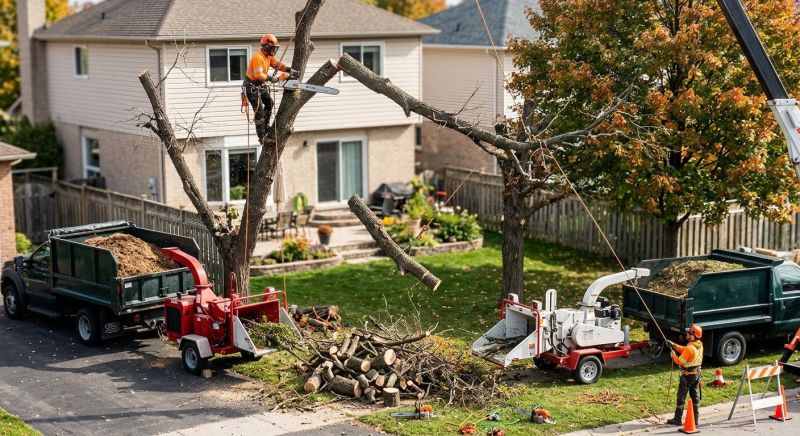
Cherry tree removal services involve the safe and efficient elimination of cherry trees that are damaged, diseased, or no longer desired on a property. These projects typically include removing entire trees, including roots, to clear space for new landscaping, prevent potential hazards, or address issues caused by overgrown or invasive trees. Property owners often seek this service when a tree poses a risk to nearby structures, has become a safety concern, or is negatively affecting the health of surrounding plants.
Before requesting cherry tree removal, property owners usually want to understand the scope of the work, including whether roots will be entirely excavated and if stump grinding is included. It’s also helpful to consider the size and location of the tree, as well as any potential impacts on nearby utilities or structures. Proper planning ensures that the removal process is carried out safely and efficiently, minimizing disruption to the surrounding landscape.
Many property owners in Reno, NV look into Cherry Tree Removal for repairs, replacements, upgrades, and appearance-related improvements.
Reasons For Tree Removal
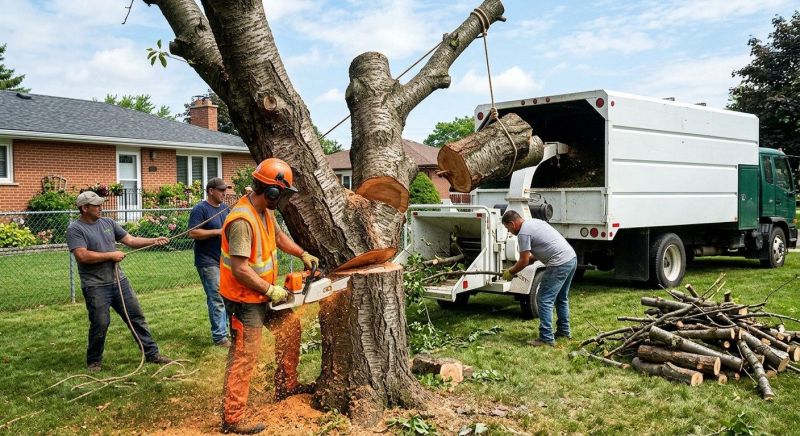
Trees may need removal due to disease, damage, or safety concerns on residential properties.
Safe Tree Removal Practices
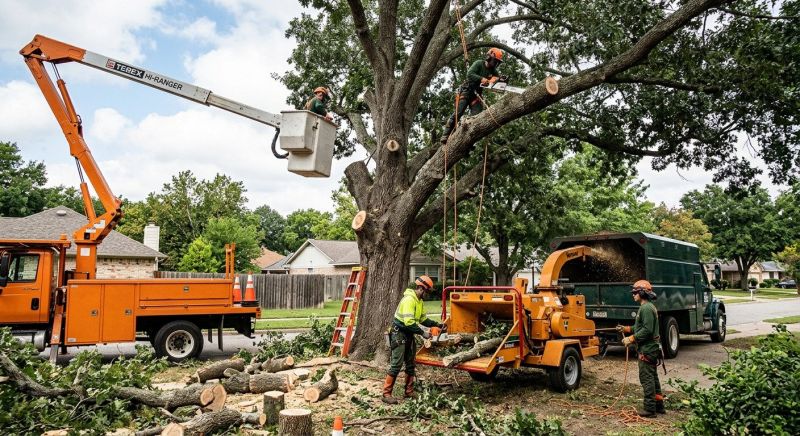
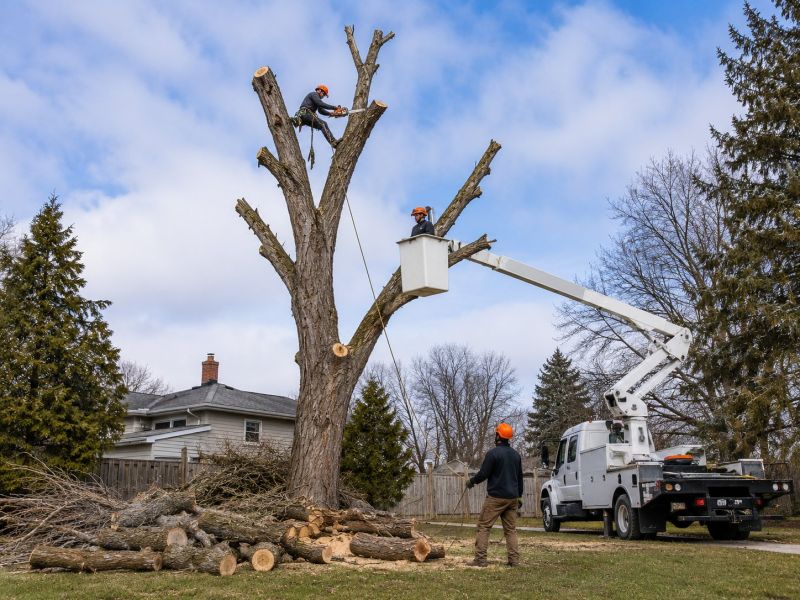
Proper techniques ensure the safe and efficient removal of unwanted or hazardous trees in reno neighborhoods.
Post-Removal Cleanup
Clearing debris and restoring the landscape are important steps after removing a tree from a property.
Cherry Tree Removal in Reno, NV

Cherry tree removal services involve the safe and efficient elimination of cherry trees that are damaged, diseased, or no longer desired on a property. These projects typically include removing entire trees, including roots, to clear space for new landscaping, prevent potential hazards, or address issues caused by overgrown or invasive trees. Property owners often seek this service when a tree poses a risk to nearby structures, has become a safety concern, or is negatively affecting the health of surrounding plants.
Before requesting cherry tree removal, property owners usually want to understand the scope of the work, including whether roots will be entirely excavated and if stump grinding is included. It’s also helpful to consider the size and location of the tree, as well as any potential impacts on nearby utilities or structures. Proper planning ensures that the removal process is carried out safely and efficiently, minimizing disruption to the surrounding landscape.
Many property owners in Reno, NV look into Cherry Tree Removal for repairs, replacements, upgrades, and appearance-related improvements.
Common Cherry Tree Removal Jobs
Cherry Tree Removal - safely removes unwanted cherry trees to clear space on the property.
Tree Trimming & Pruning - maintains tree health and prevents potential hazards by shaping and trimming cherry trees.
Stump Grinding - eliminates remaining stumps after tree removal to improve landscape aesthetics and safety.
Emergency Tree Removal - handles urgent situations involving damaged or fallen cherry trees.
Land Clearing - removes multiple trees or large areas of cherry trees for development or landscaping projects.
Tree Health Assessments - evaluates cherry trees for disease or damage to determine the need for removal or treatment.
Cherry Tree Removal Questions
Why remove a cherry tree? Removing a cherry tree may be necessary if it poses safety concerns, is diseased, or obstructs property features.
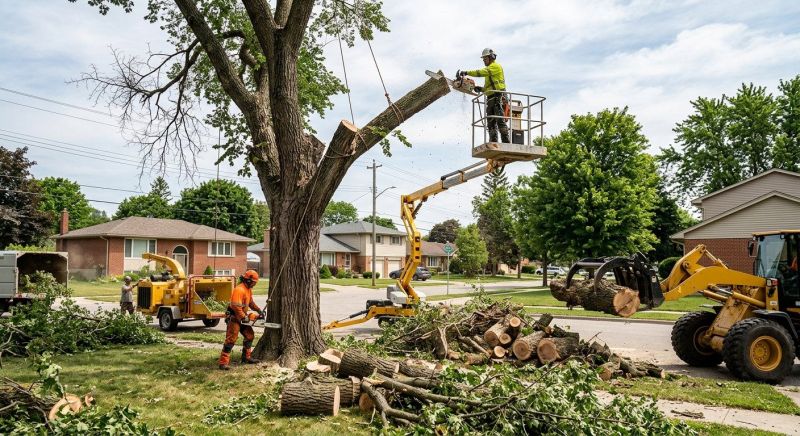
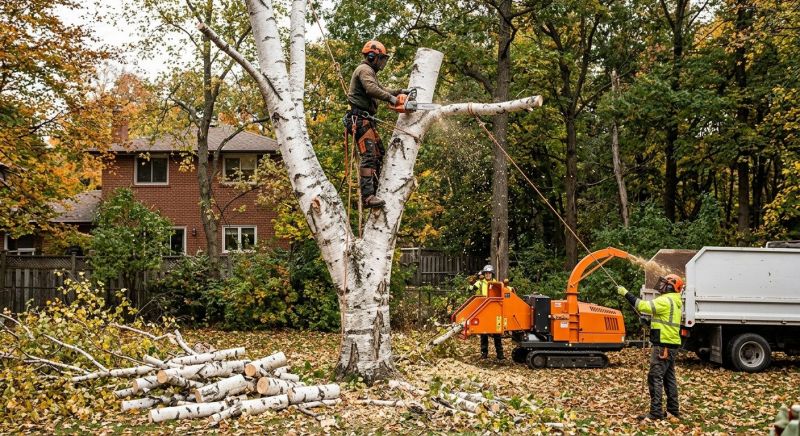
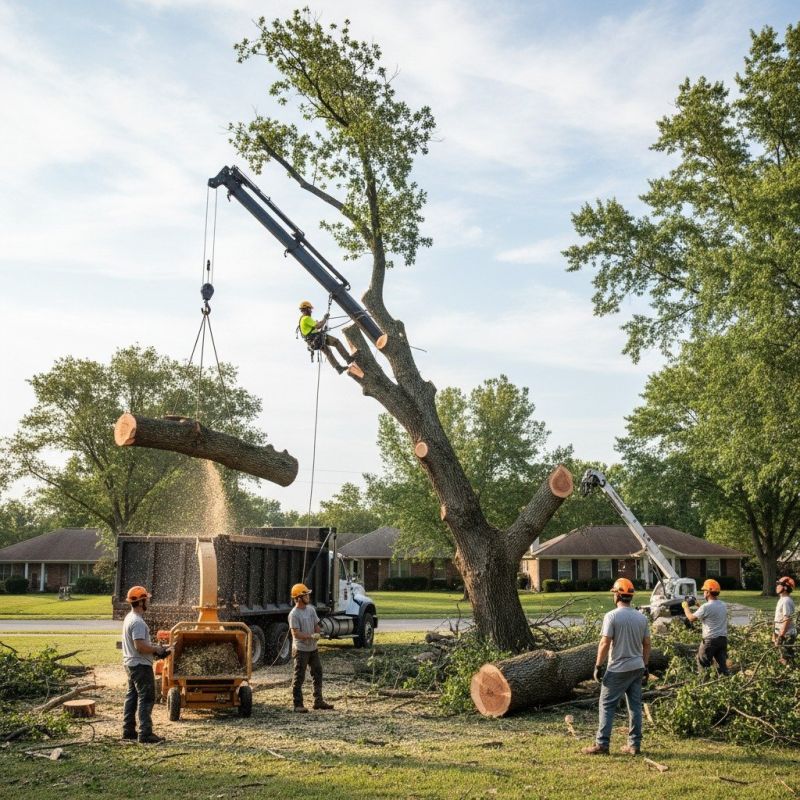
How is a cherry tree removed? The process involves cutting down the tree and safely hauling away the debris, often requiring specialized equipment.
When is the best time for cherry tree removal? The ideal time is during dormancy, typically in late winter or early spring, to minimize impact on surrounding plants.
Are there any considerations before removing a cherry tree? It's important to check local regulations and consider the proximity to structures or utility lines before removal.
Request Cherry Tree Removal in Reno, NV
Use the quote form on this page to share the basics of your project and request more information for the type of work you need.